

Paralysis ticks: the signs, the season, and what to do now
If your dog or cat is wobbly in the back legs, sounds different when they bark or meow, or is retching and cannot settle, this is an emergency. Ring us before you read any further.
Call us on 02 9888 1833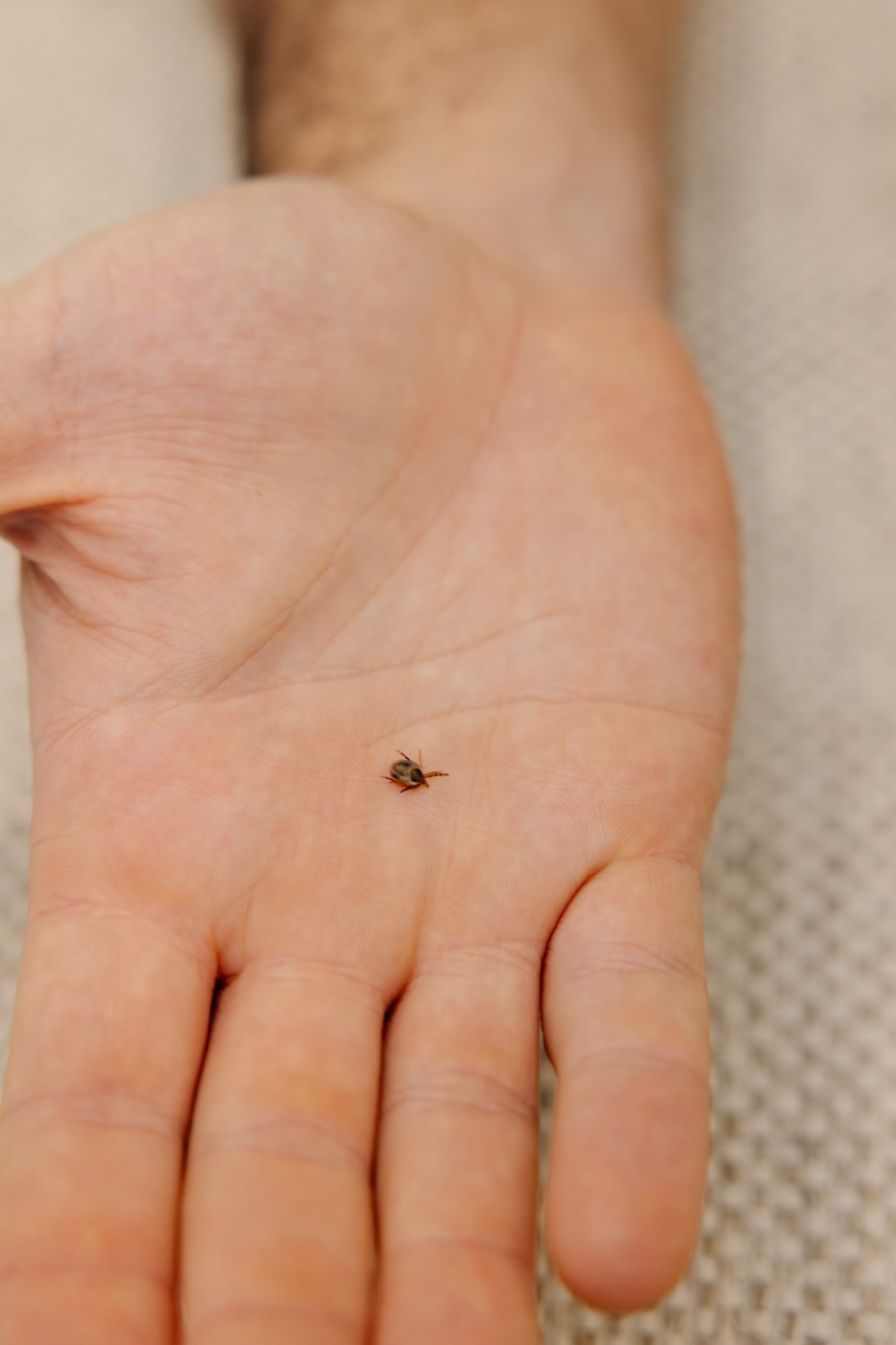
The short answer
Two things matter here: a fast call, and a daily search.
Paralysis ticks are found down the east coast, and in Sydney they peak from spring to mid summer, though we see tick cases at any time of the year. A tick can kill a healthy pet. If yours is wobbly behind, breathing oddly, retching or sounds different, go now and give nothing to eat or drink. If nothing is wrong yet, start searching your pet by hand every day and ring us about prevention before spring.
Go now. Do not wait to see if it settles.
- Wobbliness or weakness in the back legs, staggering, or not being able to get up
- A change in the sound of the bark or the meow
- Retching, coughing (sometimes a moist cough), or vomiting
- Drooling more than usual
- Difficulty breathing, fast breathing, or grunting when they breathe
- Weakness spreading to the front legs
- You have found a tick, or a crater where one was, even if your pet seems fine
Do not offer food or water, and do not give anything by mouth. Ring 02 9888 1833 while somebody else gets the car. Outside our hours we refer to our after-hours emergency partner, listed in the footer.
Why is a tick an emergency?
It is not the bite that hurts your pet. It is what the tick puts in. A paralysis tick attaches, feeds on blood, and releases a toxin as it feeds. That toxin attacks the nervous system.
So pulling the tick off does not end it. The toxin is already in your pet, and the signs often keep getting worse for a while after the tick has gone.
Tick paralysis is life threatening and needs urgent veterinary care. Here is the part we most want you to hear: it can be fatal, but it can often be treated when you act quickly. So act quickly.
Why must you not give food or water?
Offering water feels like the kind thing to do. It is the instinct that catches people out.
The toxin affects swallowing. A pet with tick paralysis cannot protect their airway properly, so food or water can go into the lungs instead of the stomach. That causes pneumonia and serious trouble breathing, on top of everything else.
So nothing by mouth. Not water, not a treat, not medication. Keep them calm, keep them cool, and get them to a vet.

When is tick season in Sydney?
Spring is the peak, and it is not a small effect. Most Australian cases happen in spring, and most of them are in New South Wales and Queensland.
Paralysis ticks live along the eastern seaboard, from north Queensland down to Victoria. In our part of that range the peak runs from spring to mid summer, and we see tick cases at any time of the year.
But the season moves. It can start earlier and finish later, and a mild winter can bring it forward. A warm July is not a safe July, so search your pet all year and never switch off on a date.
Where ticks turn up around here
Ticks live where their natural hosts live, and the hosts are wildlife: possums, bandicoots, birds and reptiles. Pets that live in or near bush or scrub are the ones that pick them up.
Around here that is not an abstraction. Bushland reserves, creek lines and leafy back gardens all qualify.
How do you search a dog or a cat for ticks?
By hand, every day, in decent light. This is the single most important thing you can do, and it still matters when your pet is on a tick product. Use your fingertips, not your eyes. You are feeling for a lump, and a tick that has not fed yet is smaller than most owners expect.
- Start at the nose. Work over the face and forehead, then both ears, inside and out. Most ticks are found forward of the front legs, especially on the face, neck and ears.
- Do the eyes, lips and every skin fold. Folds are where ticks hide and where fingers skip.
- Take the collar off and go through the whole neck, including the folds under it.
- Shoulders, then down each front leg. Between every toe, under the foot, and in the armpits.
- Chest, back, sides, belly, groin. Slowly. This is the part people rush.
- Tail, bottom, thighs, back legs, and between the back toes and under those feet as well.
- Finish the whole animal even after you find one. A dog or cat can carry several ticks at once.
You are also feeling for a crater: a raised, thickened, often reddened patch of skin where a tick has been. A crater with no tick still means a tick was there, and it still means ring us.
How do you remove a tick?
Take it off straight away, then ring us.
- Do not squeeze the body of the tick.
- Take it out by the head, right where it goes into the skin. Mouth parts left behind cause swelling and can get infected.
- A tick remover, the small forked tool, makes this much easier. It slides either side of the tick without touching the body.
- Dab the spot with a mild antiseptic afterwards.
Keep the tick in a sealed container or a zip lock bag and bring it in. It tells us what we are dealing with. And keep your pet quiet on the way, because exertion makes a paralysed animal worse.
Search by hand every day, as well as the product
The daily search is the part that saves animals, and it is free. Prevention products matter too, and we will help you pick the one that suits your pet. But no product is a guarantee: pets do get tick paralysis while a product is still working. That is exactly why we ask you to search by hand as well. Get both in place before spring, not during it.
Book an appointment →Does a monthly chew mean my pet is safe?
No, and this is the most common misunderstanding we hear. A preventative lowers the risk a great deal. It does not remove it. Pets do get tick paralysis inside the window a product is meant to cover. So keep the product going and search by hand every day.
Products also differ by species, by age and by weight, and the wrong one is dangerous rather than merely useless. Never put a dog tick product on a cat. Some of them are highly toxic to cats and can kill them. If you have both animals in the house, read that line twice.
Ring us and we will tell you what suits your animal, their age, their weight and the way they live.
What else lowers the risk?
- Keep the yard unfriendly to ticks. Keep lawns and shrubs short, and clear compost material out of the backyard.
- Rethink the walk in tick season. Stay out of bush and scrub known for ticks while the season is on.
- Search after every bush walk, as well as at the usual time of day.
- Do not skip the cat. Cats get paralysis ticks too, indoor-mostly cats included, and a cat that hides when it feels unwell is harder to read than a dog.
Is my dog more at risk than most?
Puppies under six months and toy breeds do worse once tick paralysis takes hold. In cats, no one group stands out.
That is about how the illness goes, not about how likely a tick is to find your pet. A big adult dog still needs the daily search. If yours is a puppy or a small breed, be quicker to the phone.
When should you ring us?
Ring if any sign in the box at the top of this page is happening. Ring if you have found a tick or a crater, even after you have removed it and even if your pet seems completely normal. Ring if you are simply not sure. We would far rather talk you through something that turns out to be nothing.
During opening hours, call 02 9888 1833. Outside them we refer to our after-hours emergency partner, listed in the footer, and on a tick case the right answer is whoever you can reach fastest.
Macquarie Veterinary Hospital keeps capacity for urgent cases during opening hours, so we can see a tick case straight away.
Every tick case is different, and we treat the animal in front of us. What we do next depends on how far the toxin has got, your pet's size and age, and how they are breathing when they arrive. We will talk you through it as we go.
Common questions
I pulled the tick off and my dog seems fine. Do I still need a vet?
Ring us. The toxin goes in while the tick feeds, so signs can appear or worsen after the tick is gone. Removing it is the right first move, not the last one.
What does a paralysis tick look like?
It changes as it feeds. Once full of blood they turn a bluish to light grey colour. Before that they are small, flat and easy to miss, which is why you search with fingertips rather than eyes.
Can indoor cats get paralysis ticks?
Yes. Cats get out, ticks come in on other animals, and the natural hosts are wildlife that live in the same gardens we do.
When should I start prevention?
Now, and all year round. The peak runs from spring to mid summer, but we see tick cases in every month, so protection is needed all year rather than for a season. Book an appointment and we will set your pet up for the season.
What next?
Ticks are one of three seasonal emergencies we see, alongside heat stroke and snake bite. If you are trying to work out whether something is an emergency at all, start with when to rush to the emergency vet.
References
- RSPCA Australia Knowledgebase: How can I protect my dog or cat from tick paralysis? Distribution and season, how the toxin works, the signs, the daily search, tick removal, the nothing-by-mouth instruction, and the warning about dog products on cats.
- RSPCA Australia: Be prepared, spring is here and so are the ticks (27 September 2017). That tick paralysis can be fatal but is often treatable if you act quickly, and the better-safe-than-sorry advice when you are unsure.
- Eppleston KR, Kelman M, Ward MP. Distribution, seasonality and risk factors for tick paralysis in Australian dogs and cats. Veterinary Parasitology 2013;196(3-4):460-8. Faculty of Veterinary Science, The University of Sydney. 3,479 cases: spring seasonality, the east-coast concentration, the higher mortality risk in dogs under six months and toy breeds, and that preventatives are not a guarantee. Abstract read; full text is paywalled.
- Westwood MN, Emery DL, Dhand NK. Clinical presentation and treatment of tick paralysis in dogs and cats in Sydney (2001-2010). Australian Veterinary Journal 2013;91(12):491-8. The University of Sydney. 325 Sydney cases; more severe cases took longer to recover. Abstract read; full text is paywalled.
Our tick advice follows RSPCA Australia guidance and Australian research into tick paralysis. Updated November 2026. Paralysis tick information is seasonal and this page joins the annual review cycle. This guide is general information and cannot replace someone examining your animal. If you are unsure, ring us: that is what the phone is for.
Michelangelo has been a longtime patient at Macquarie Veterinary Hospital. As a senior cat he has always received the best care and treatment. Vet staff handle him gently. I am given professional advice that explain actually what treatment and special care that he needs for his ongoing welfare.
Danny G, Google review · 5 stars
A real review, quoted as written. Read our Google reviews →
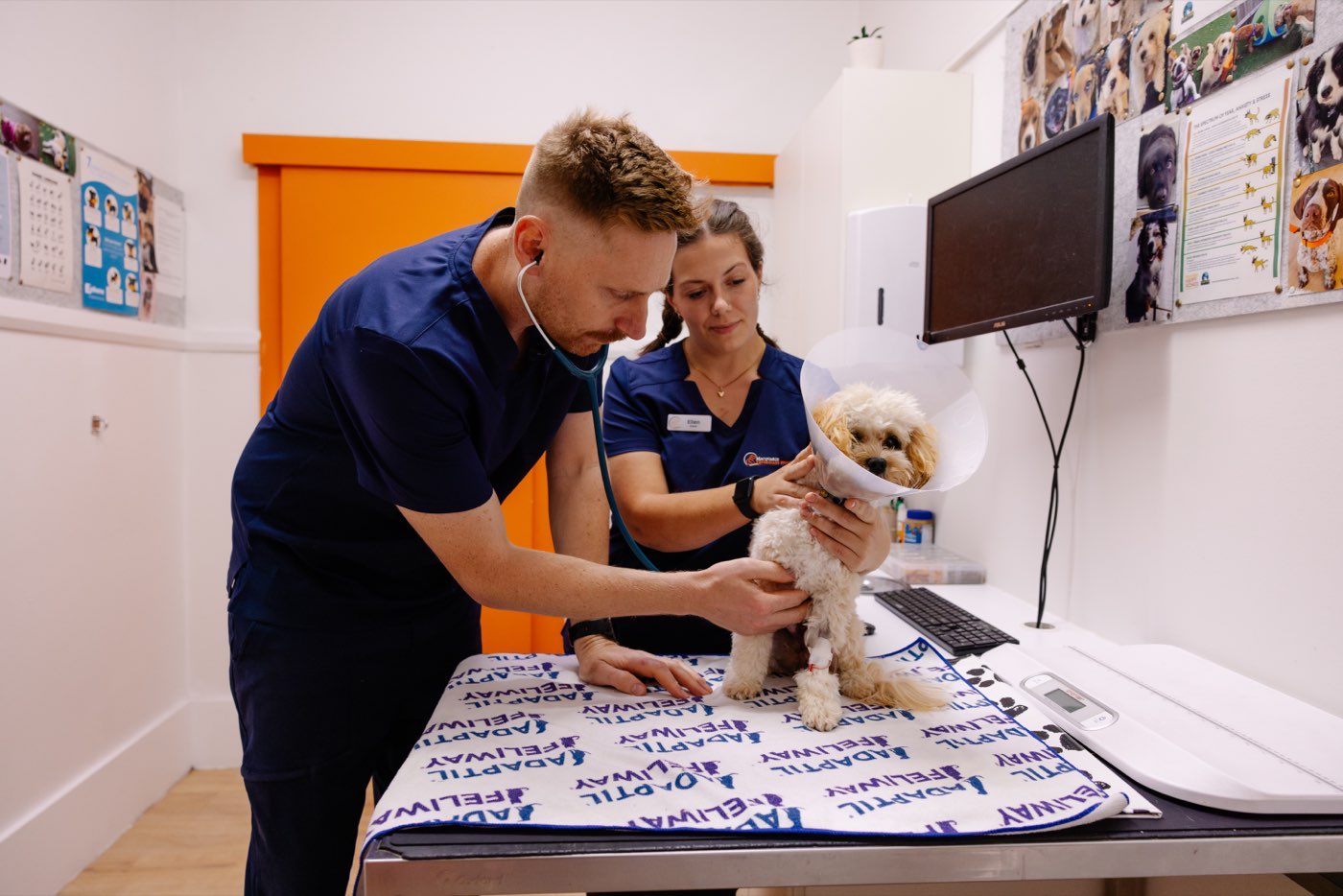
Medically reviewed by Dr Michael Stephen, BVSc, MVSc.
If it is happening now, ring us
During opening hours, call 02 9888 1833 and tell us what you are seeing. Outside them, our after-hours emergency partner, listed in the footer is open when we are not. Nothing to eat or drink on the way.
Call 02 9888 1833