

Toilet training a puppy: a simple routine, and patience
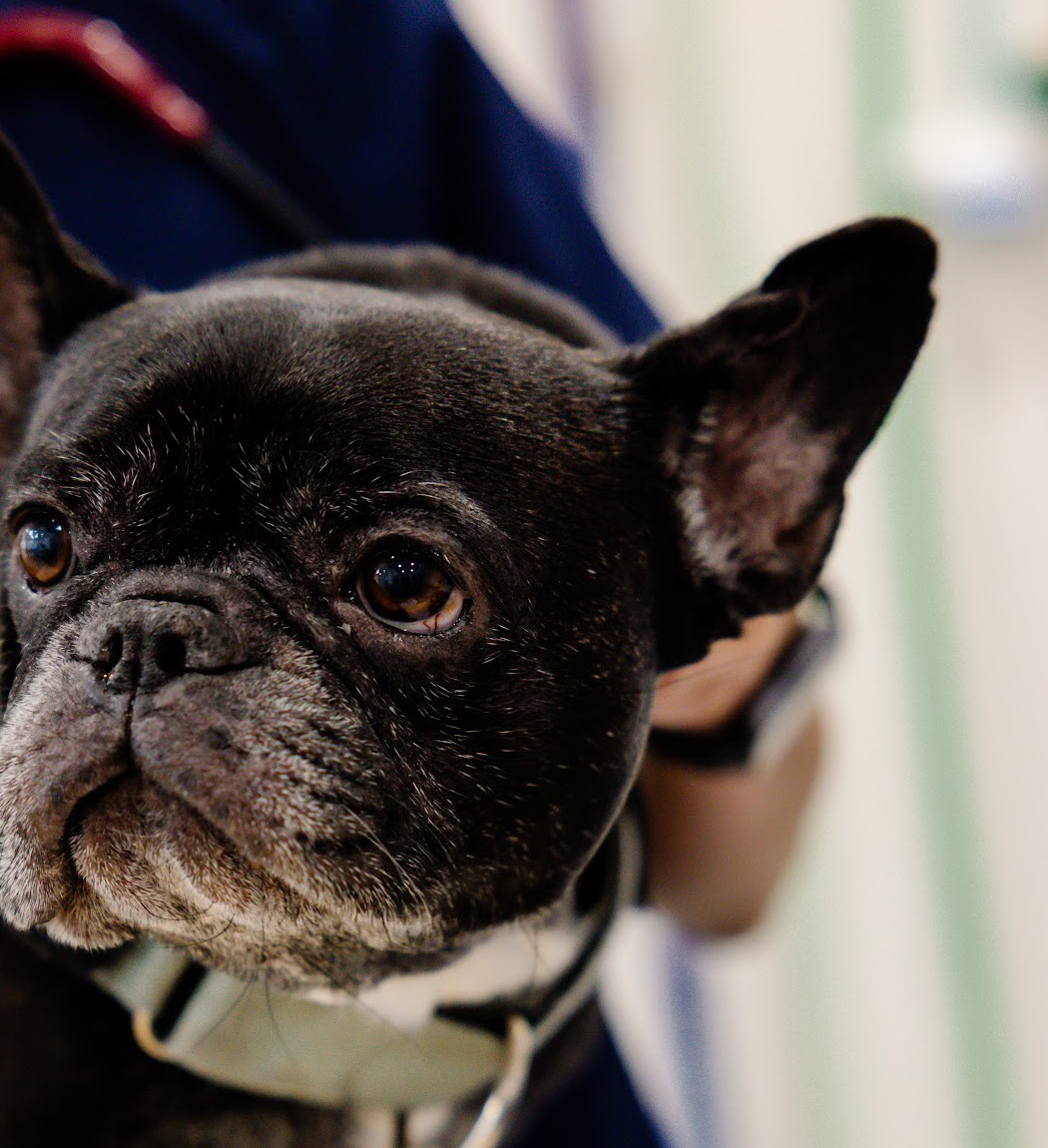
It is mostly patience, and a routine you can keep.
Most puppies are reliably toilet trained in 4 to 8 weeks with a consistent routine: take them out the moment they wake, after every meal, after play, and last thing at night, then reward the second they go outside. Accidents are normal early on, are never worth punishing, and fade as your puppy's bladder control grows. If accidents suddenly increase in a puppy who was doing well, book an appointment to rule out a bladder infection.
Bringing a puppy home is exciting, and toilet training is usually the first thing new owners ask us about. It is one of the most predictable things you will teach, because it works with your puppy's natural instinct to keep their sleeping and eating space clean. It comes down to timing and consistency rather than clever tricks, and we are happy to talk any of it through when we see you.
How long does it take to toilet train a puppy?
For most puppies it takes 4 to 8 weeks of consistent effort before accidents become rare, with full reliability by around 3 to 5 months as bladder control matures. Small breeds often take a little longer, simply because they have smaller bladders. Progress is rarely a straight line, and a setback after a good week does not mean you have failed. It usually means the routine slipped, not that your puppy has, and it is the kind of thing we see every week.
What is the fastest way to toilet train a puppy?
The single biggest lever is timing the trips outside to your puppy's natural rhythm. Young puppies almost always need to go at four predictable moments:
- Right after waking up, from overnight sleep and from every nap.
- After every meal or drink, usually within 5 to 15 minutes.
- During and after play, since activity gets things moving.
- Last thing before bed, every night.
Between those, a rough rule is that a puppy can hold their bladder for about one hour per month of age, so a three-month-old puppy may need a trip roughly every three hours during the day. The same spot each time works best, with someone waiting alongside them, and a calm reward the moment they finish. The reward has to come within a couple of seconds so your puppy connects it to the act, not to walking back inside.
What should the daily routine look like?
Consistency beats intensity. A simple, repeatable day works better than an elaborate plan you cannot keep up. A typical routine:
| Time | What to do |
|---|---|
| First thing | Straight outside on waking, before anything else. Reward the moment they go. |
| After breakfast | Outside within 10 to 15 minutes. Feeding on a schedule makes toileting predictable. |
| Through the day | Outside every 1 to 3 hours depending on age, plus after every nap and play session. |
| Evening | Pick up the water bowl an hour or so before bed to reduce overnight accidents. |
| Bedtime | One last trip outside, every night, before settling. |
What do I do when my puppy has an accident?
Accidents are part of the process, not a sign of a "bad" puppy, and nobody we see has a puppy that got there without a few. If you catch them mid-accident, interrupt gently with a calm sound and take them straight outside to finish, then reward. If you find a mess later, simply clean it up and move on. Never rub their nose in it or scold them. Punishment does not teach a puppy where to go; it teaches them that going near you is dangerous, which makes them hide to toilet and slows training down.
Clean accident spots with an enzyme-based pet cleaner, not a standard household cleaner. Many ordinary cleaners leave a scent trace a puppy will read as a toilet spot, and ammonia-based products can actually make it worse.
Should I use puppy pads or crate training?
Both can help, and neither is compulsory.
Crate training uses your puppy's instinct to keep their sleeping space clean. A correctly sized crate (big enough to stand, turn and lie down, no bigger) helps them learn to hold on overnight and signals when they need to go out. It should always be a safe, positive space, never a punishment.
Puppy pads can be useful for apartments, overnight, or very young puppies, but they do teach that going indoors is acceptable, which can add a step later when you transition fully outdoors. If you can get outside frequently, training straight to grass is usually quicker.
Why has my puppy stopped using the puppy pad?
As puppies finish their vaccination course and start going outside more, it is natural for them to prefer going to the toilet outdoors. Puppy pads often become hit-or-miss from this point on, and that is a sign of progress rather than a problem.
Get the routine right early, and see us at your puppy's first visit
Toilet training is mostly consistency, and it goes hand in hand with everything else you are setting up in the first few months. Your puppy's early vet visits are the natural moment to get toilet training, socialisation, feeding and vaccination timing all lined up, so small problems do not become habits. Our team runs through exactly this at your puppy's first visit.
When is a toileting problem actually a health issue?
Most accidents are training rather than illness. A few patterns, though, are worth bringing to us rather than working at harder:
- A puppy who was reliably trained and suddenly starts having accidents again.
- Straining, going very frequently in small amounts, or blood in the urine, which can point to a bladder infection.
- Drinking and weeing far more than usual.
- Urine dripping in between trips to the toilet.
These can point to a urinary tract infection or something else that no amount of training will fix, and they are quick for us to check. If you are not sure, we would rather take a look, and a short visit with us often saves weeks of frustration.
Common questions
At what age should I start toilet training?
From the day you bring your puppy home, usually around 8 weeks. The earlier the routine starts, the fewer habits you have to undo later.
How do I stop overnight accidents?
Lift the water bowl about an hour before bed, take your puppy out last thing at night, and be ready for an early-morning trip. Very young puppies may not last a full night at first, and that is normal.
My puppy wees when excited or when I come home. Is that a toileting problem?
Not usually. Excitement or submissive weeing is a behaviour, not a training gap. Keep greetings calm and low-key. If it persists, mention it at your next visit.
Is it too late to train an older puppy or rescue dog?
No. The same routine works at any age. Older dogs have better bladder control, so it often goes faster once the routine is consistent.
We love our local vet and the team at Dr Paws! The team at Macquarie Veterinary Hospital have looked after our pussy cat for more than 10 years and we love the care that she has always received! Even though Narnie puss isn't always excited to visit the vet, she deals with it well and likes Dr Matt!
Mark Israel, Google review · 5 stars
A real review, quoted as written. Read our Google reviews →
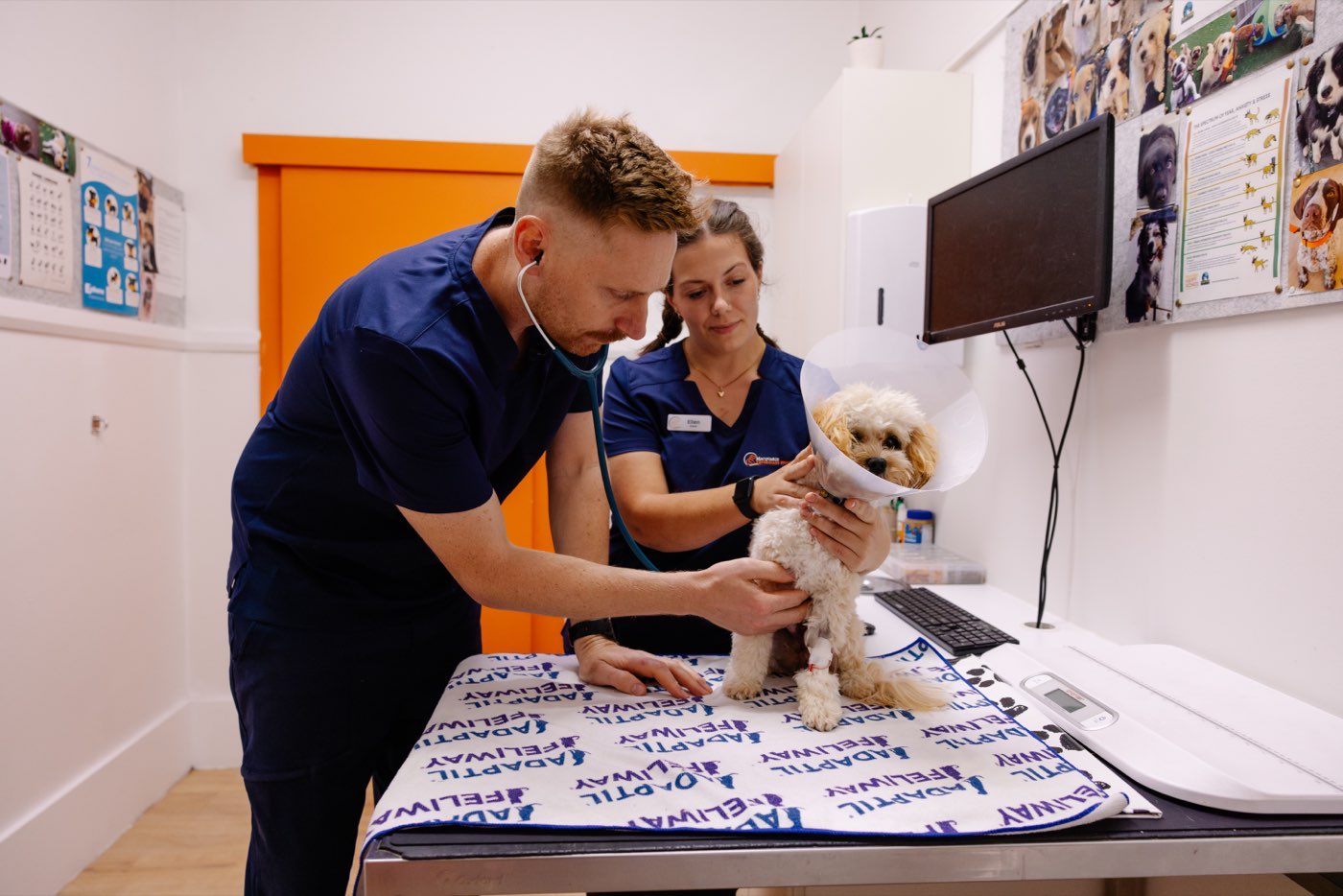
Start your puppy off right
Book an appointment and we will help you get toilet training, vaccinations and socialisation all on track.
Medically reviewed by Dr Michael Stephen, BVSc, MVSc · updated November 2026. General guidance for healthy puppies, not a substitute for examining your individual pet. If your puppy is unwell, or you are worried about a change in toileting, please get in touch with us.